

The passport deposit trap
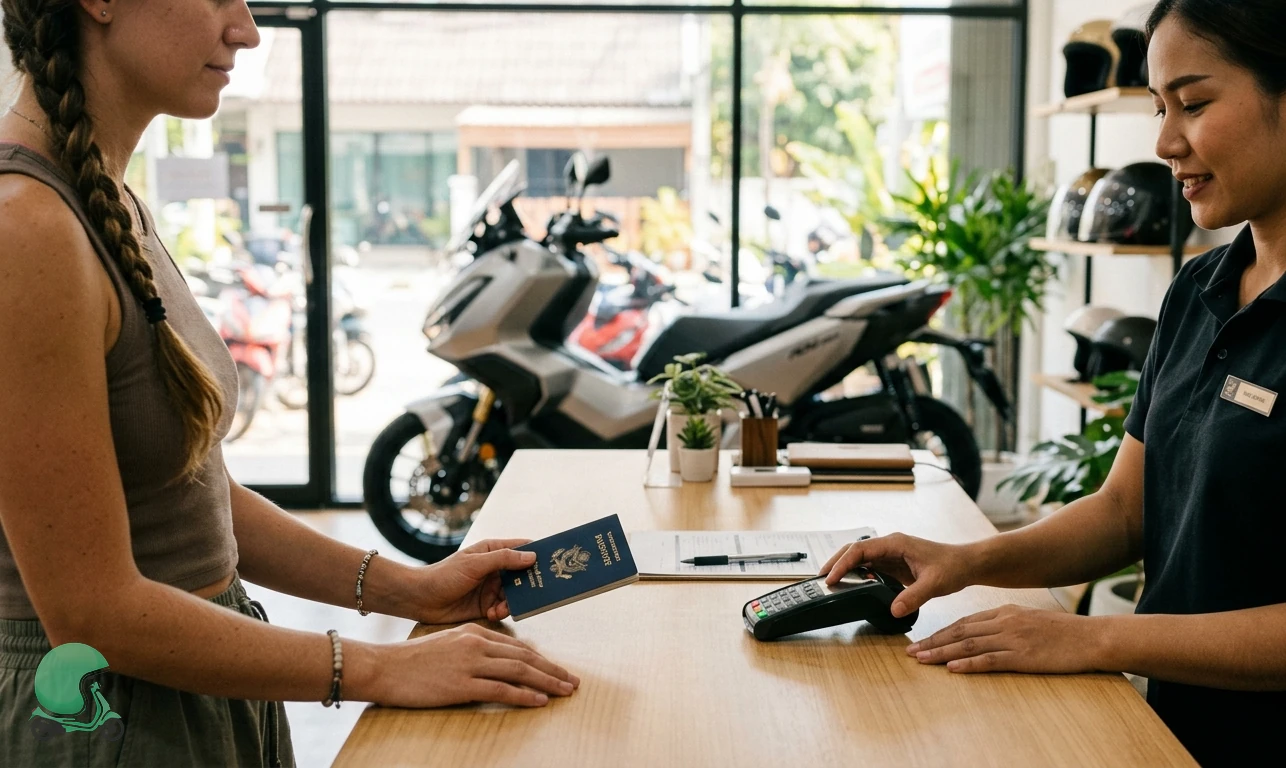
Holding a tourist's passport as rental collateral is a decades-old practice on Thai motorbike rental streets, and it is the single biggest reason travellers end up in scam stories on TripAdvisor. The mechanism is simple: the shop takes your passport on delivery, then at return claims you caused scratches or damage that were present before you ever touched the bike, and holds the passport until you pay an inflated repair bill. The leverage is absolute - without your passport you cannot fly home, cannot change hotels, cannot even board a domestic Thai train. Legitimate Thai law enforcement does not recognise a rental shop's right to confiscate a passport, but by the time a tourist has reported the dispute, paid the ransom, or hired a lawyer, the flight departure has already left. The right answer is to never let the trap close in the first place.
Thai Bike's no-passport guarantee
Zero passports held. Every shop on Thai Bike's marketplace signs a contract that explicitly forbids holding a passport as rental security, and we audit that contract against real rentals every quarter. Any shop caught asking for a passport is removed the same day. Instead of a passport we take a refundable cash or card deposit, or a card pre-authorisation hold on a major credit card - the same kind of hold a hotel uses for a minibar deposit. You can see a photo of your passport or your International Driving Permit for legitimate identity and licence verification, but you keep the physical documents in your own pocket from the moment you walk into the shop to the moment you ride away. When you return the bike undamaged, the card hold releases in the normal 3-7 business days your issuing bank takes to clear authorisations. The cash deposit, if you paid one, is returned in full on the spot.
How much deposit should you actually pay?
Deposits on Thai Bike scale with the replacement cost of the bike, not with how much the shop thinks it can get away with. The rough bands most shops use are: 3,000-10,000 THB for any scooter (Honda Click 160, Yamaha NMAX 155, Honda ADV 160, Yamaha Filano, Honda Scoopy); 5,000-15,000 THB for a mid-displacement bike such as a Honda CRF 300L or Kawasaki Ninja 400; 15,000-30,000 THB for a big bike such as a Honda CB500X or Kawasaki Versys 650 whose replacement cost sits in six figures; and 30,000-100,000 THB for a cross-border rental permitting Laos or Cambodia, where recovery is genuinely harder. Compare deposits between shops the same way you compare rental prices - if a shop asks for a deposit well above these bands on a scooter you are being overcharged; see the full breakdown in the Honda Click 160 rental overview.
| Category | Card deposit (THB) | Why this band |
|---|---|---|
| Scooter rentals | 3,000-10,000 THB | Lowest replacement cost and the same bands Thai locals see - a cash deposit you can walk away from if the shop ever argues about a scratch. |
| Bike rentals | 5,000-15,000 THB | Mid-displacement 300-400 cc bikes like the Honda CRF 300L or Kawasaki Ninja 400 carry a higher replacement cost than a scooter, so the deposit band rises to match. |
| Big bike rentals | 15,000-30,000 THB | 500 cc and up bikes like the Honda CB500X or Kawasaki Versys 650 have six-figure replacement costs, which is why reputable shops ask for more - any shop demanding this much for a small scooter is overcharging, walk out. |
| Cross-border | 30,000-100,000 THB | Rides that cross into Laos, Cambodia, or Malaysia involve extra paperwork and genuinely harder recovery if the bike goes missing - deposits rise accordingly. |
How to protect yourself at any rental shop
Whether you book through Thai Bike or walk into a shop off the street, these habits close the scam loop before it opens. Never hand over your passport - a photo copy or a photo on your phone is enough for any legitimate identity check; refuse and walk out if the shop insists. Always get a written or in-app deposit receipt that states the deposit amount, the payment method, the refund conditions, and the expected return date - no deposit receipt is a red flag. Photo-document the bike on delivery with timestamped photos of all four sides, every existing scratch, the odometer, the fuel level, and any accessories - our damage documentation process walks through the exact six-step in-app flow so you cannot be charged for damage you did not cause. Know the refund timeline before you ride - cash deposits should be returned on the spot at drop-off; card holds release in 3-7 business days depending on your bank, not on the shop. If a shop still refuses to return your deposit after the bike has been returned undamaged and in time, file a report at the nearest Tourist Police office and keep all your photo evidence, receipts, and written communication - do not pay a disputed charge to get your documents back. For a feel for how a reputable Thai city shop handles handover, see our Phuket bike rental guide.
Ready to rent without the passport trap?
You do not have to hope that a Thai rental shop plays fair - you can just pick a marketplace whose entire contract model rules out the trap. Every bike on Thai Bike ships with third-party insurance, a no-passport deposit guarantee, and an in-app damage walk-around that makes hidden charges at return impossible. Read the Thailand rental insurance guide next so you understand exactly what your rental's cover does and does not include, and you will be ready to ride.
Related safety guides
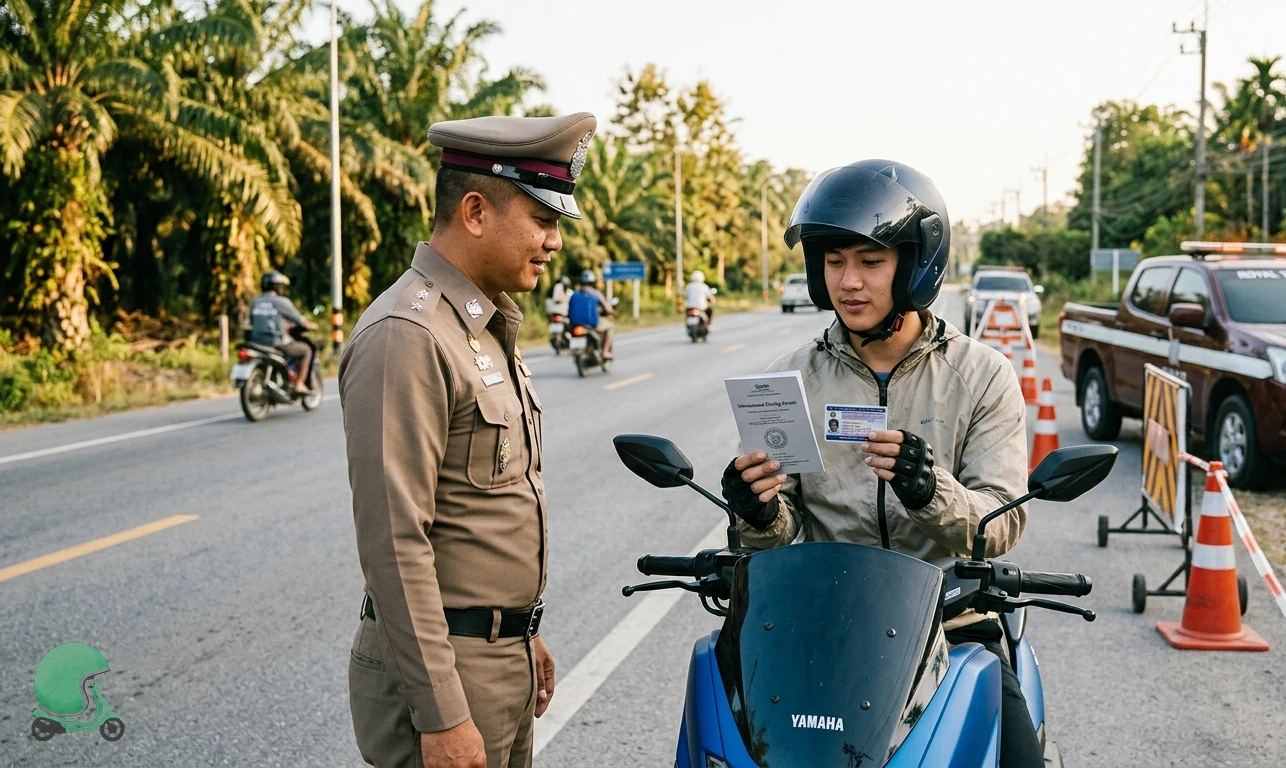
Thailand International Driving Permit guide
Class A IDP requirements, how to get one before you fly, and how Thai Bike verifies every permit.

Thailand rental insurance guide
What Por Ror Bor covers, what a Comprehensive Damage Waiver adds, and how travel insurance interacts with it.
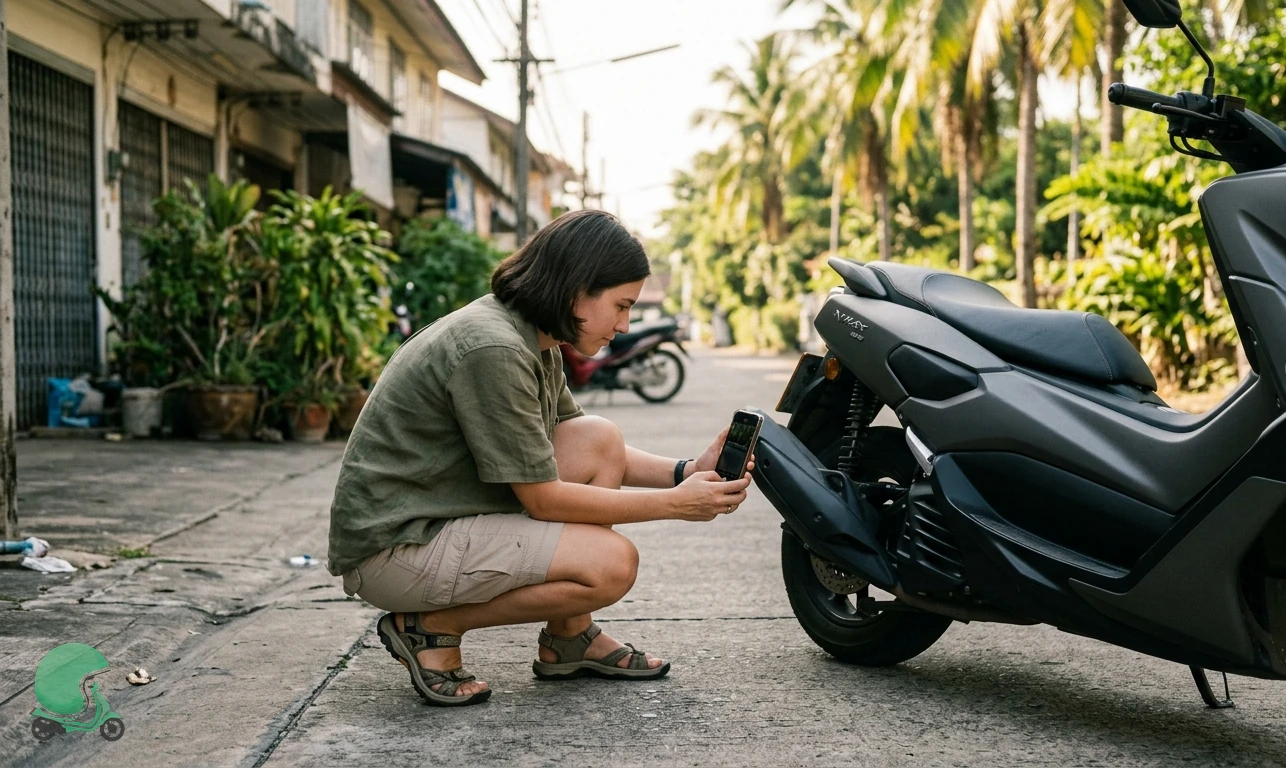
Pre-rental damage documentation process
The six-step in-app inspection flow that closes the hidden-damage scam loop at every rental.